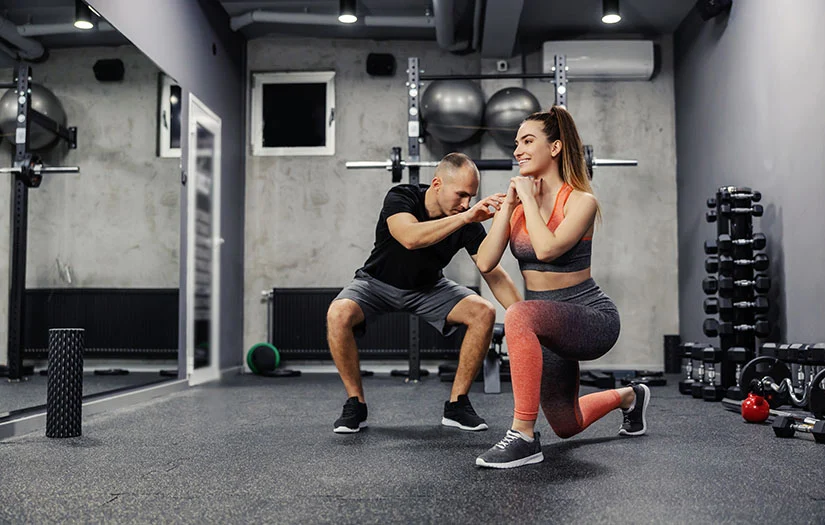
Personal Fitness Trainer Singapore: Building Pain-Resistant Strength for Desk Workers and Active Adults
Joint pain is one of the most common reasons people hesitate to exercise consistently. Knee discomfort when climbing stairs, shoulder stiffness after long workdays, or a tight lower back that flares up during workouts often leads to fear, avoidance, or random trial-and-error fixes. In Singapore, where many professionals spend long hours seated and under mental stress, joint issues develop quietly and worsen over time if not addressed correctly.
Working with a personal fitness trainer singapore helps shift the focus from temporary pain relief to building pain-resistant strength. Instead of relying on endless stretching or avoiding movements altogether, structured training improves joint capacity, movement quality, and long-term resilience.
This article explores how personalised training helps desk workers and active adults reduce joint pain while becoming stronger and more confident in their movement.
Why Desk Jobs Create Joint Problems Even in Active People
Many people assume joint pain only affects those who are inactive. In reality, desk work combined with occasional intense workouts often creates more issues than complete inactivity.
Common desk-related contributors to joint pain include:
-
Prolonged sitting with limited hip movement
-
Rounded shoulder posture from screen use
-
Reduced ankle and thoracic spine mobility
-
Weak glutes and deep core muscles
-
Sudden high-intensity exercise after sedentary days
These factors change how force moves through the body. When joints are forced to absorb stress instead of muscles, discomfort and irritation follow.
The Difference Between Pain Management and Joint Resilience
Pain management focuses on reducing symptoms. Joint resilience focuses on improving how the joint functions under load. This distinction matters because pain often returns if the underlying issue remains.
Joint resilience training aims to:
-
Improve movement mechanics
-
Increase muscular support around joints
-
Enhance coordination and control
-
Gradually expand safe load tolerance
-
Restore confidence in movement
When joints are supported by strong, well-coordinated muscles, pain reduces naturally without avoidance.
Initial Movement Screening Before Any Load Is Added
A proper training approach begins with assessment. Before adding weights or intensity, a trainer observes how you move.
Key areas typically screened include:
-
Hip hinge pattern during bending
-
Knee tracking during squats and lunges
-
Shoulder blade movement during arm elevation
-
Core stability during simple balance tasks
-
Ankle mobility during walking and stepping
These observations reveal compensations that often cause joint irritation. Addressing them early prevents further strain.
Knee Pain and Lower-Body Stability
Knee pain is one of the most common complaints among office workers and recreational exercisers. The knee often suffers because it sits between two major joints that lack control.
Training focuses on:
-
Strengthening glutes to control hip position
-
Improving quadriceps strength without overloading the knee
-
Restoring ankle mobility to improve alignment
-
Teaching proper squat and step mechanics
Rather than avoiding knee-dominant movements, controlled exposure builds tolerance and confidence.
Shoulder Pain from Screens and Stress
Shoulder discomfort often stems from poor scapular control rather than weakness alone. Long hours at a desk encourage rounded shoulders and forward head posture, limiting shoulder mechanics.
Effective training addresses:
-
Scapular stability and coordination
-
Rotator cuff endurance rather than heavy isolation
-
Thoracic spine mobility to reduce shoulder strain
-
Pressing and pulling balance to restore symmetry
As shoulder control improves, everyday activities and workouts become more comfortable.
Lower Back Discomfort and Core Function
Lower back pain is rarely caused by a weak back. More often, it results from insufficient core coordination and poor load distribution.
Training emphasises:
-
Core bracing rather than excessive flexion
-
Hip strength to reduce spinal compensation
-
Anti-rotation and anti-extension exercises
-
Gradual exposure to hinge patterns like deadlifts
This approach builds spinal stability without fear-based restrictions.
Why Stretching Alone Is Not Enough
Stretching can provide temporary relief but does not create lasting change if strength and control are missing. Over-stretching already unstable joints may worsen symptoms.
Effective programmes combine:
-
Targeted mobility for restricted areas
-
Strength training through controlled ranges
-
Tempo work to improve tissue tolerance
-
Movement education to reinforce proper patterns
Strength and mobility work together to create resilient joints.
Progression Without Flare-Ups
One of the biggest fears around joint pain is re-injury. Progression must be gradual and intentional.
A trainer manages progression by:
-
Increasing load only when technique remains stable
-
Adjusting volume during high-stress weeks
-
Rotating exercises to avoid repetitive strain
-
Monitoring recovery signals closely
Progress becomes steady instead of reactive.
Training Around Work Stress and Fatigue
Joint pain often worsens during periods of high stress and poor sleep. Training must adapt rather than push through blindly.
Smart adjustments include:
-
Reducing intensity during poor sleep weeks
-
Using lighter movement sessions for recovery
-
Prioritising quality over quantity
-
Scheduling demanding sessions strategically
This flexibility keeps training sustainable.
Confidence as a Key Part of Pain Reduction
Fear of movement amplifies pain perception. When individuals regain confidence in their ability to move safely, discomfort often decreases.
Training restores confidence by:
-
Reintroducing movements gradually
-
Celebrating small improvements in control
-
Providing clear explanations of why exercises are safe
-
Reinforcing consistency rather than perfection
Confidence changes how the nervous system responds to load.
Environment and Professional Support
Consistency improves when training happens in a supportive environment with proper guidance. Many people benefit from structured settings such as True Fitness Singapore, where access to equipment, professional oversight, and routine help reinforce safe progress.
Joint-friendly training thrives on structure and accountability.
Real-Life FAQs on Joint Pain and Personal Training
Should I stop exercising completely if I have joint pain?
No. Complete rest often worsens stiffness and weakness. The goal is to modify training rather than stop moving altogether.
Is pain during exercise always a bad sign?
Not always. Mild discomfort can be part of rebuilding tolerance, but sharp or worsening pain should be addressed immediately.
How long does it take to see improvement in joint pain?
Many people notice reduced discomfort within four to six weeks when training addresses root causes consistently.
Can strength training worsen arthritis or joint degeneration?
When properly programmed, strength training often improves joint function and reduces symptoms rather than worsening them.
Do I need imaging like scans before starting training?
In most cases, movement assessment provides sufficient guidance. Imaging may be necessary only if advised by a medical professional.
What if my pain changes location over time?
This can happen as movement patterns adjust. A trainer monitors these changes and adapts exercises accordingly.
Is bodyweight training enough for joint health?
Bodyweight exercises are useful initially, but progressive resistance is important for long-term joint resilience.
Can joint pain return if I stop training?
Yes. Joint resilience depends on maintaining strength and movement quality over time.
Joint pain does not have to limit your activity or confidence. With personalised, progressive training, joints become stronger, movement becomes smoother, and daily life feels easier rather than restricted.
Related Posts
Why Searching for a Yoga Studio Near Me is About More Than Proximity: Finding the Right Fit for Mind and Body
From Desk to Bike: Why Indoor Cycling in Singapore Appeals to Busy Professionals