
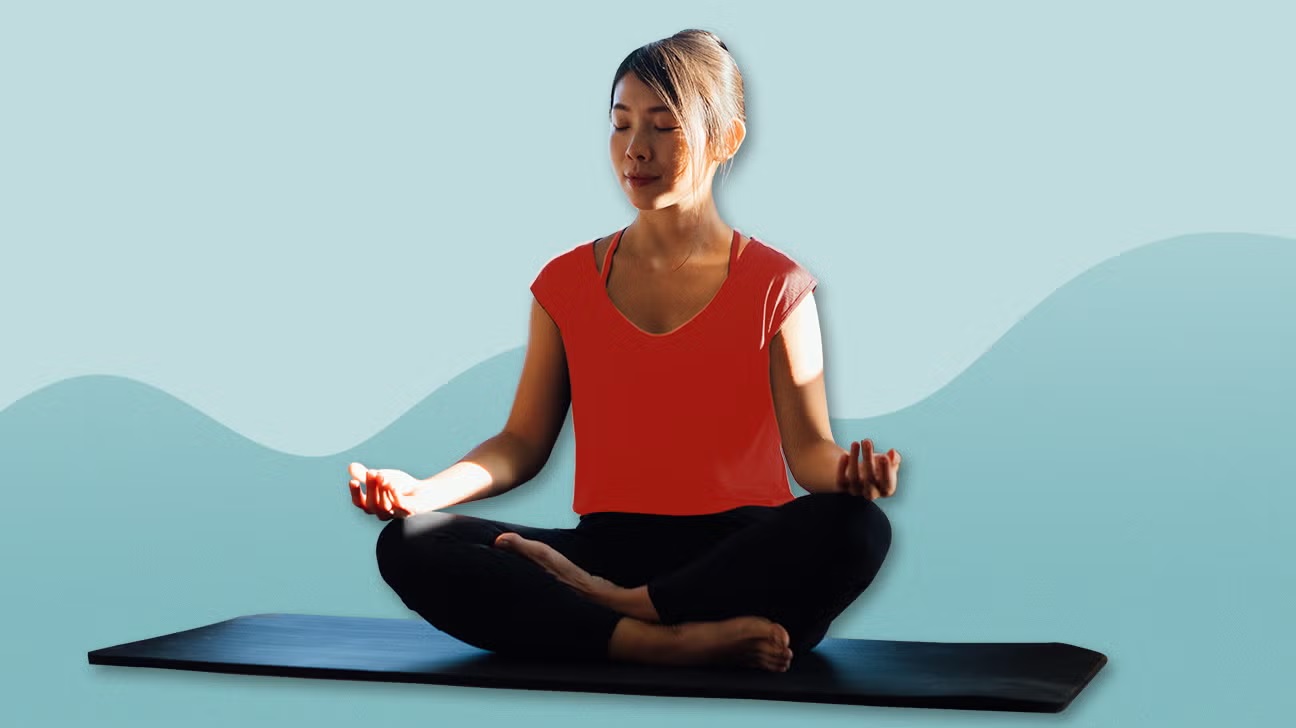
Meditation: An Evidence-Based Guide to Enhancing Mental and Physical Well-Being
Meditation is not merely a trend in wellness culture; it is a scientifically supported practice with profound effects on the mind, body, and overall quality of life. In modern times, meditation has evolved from spiritual traditions into a widely accessible method to reduce stress, enhance cognitive performance, and foster emotional resilience. Understanding how meditation works, its various techniques, and practical integration into daily life can empower individuals to experience tangible benefits.
Understanding the Science of Meditation
Meditation encompasses a range of mental exercises designed to focus attention, regulate thoughts, and cultivate awareness. Scientific studies have consistently demonstrated that meditation can modify brain activity, physiological processes, and even gene expression over time.
- Neuroplasticity and Brain Health: Meditation has been linked to structural changes in areas like the prefrontal cortex, hippocampus, and amygdala. These regions are associated with attention regulation, memory, and emotional processing. Long-term practitioners often show increased cortical thickness, suggesting enhanced cognitive function.
- Stress Hormone Regulation: Regular meditation reduces cortisol levels, the primary stress hormone, contributing to lower anxiety, improved sleep quality, and better immune function.
- Autonomic Nervous System Balance: Meditation promotes parasympathetic nervous system activation, leading to reduced heart rate, lowered blood pressure, and improved digestion.
Key Meditation Techniques and Their Benefits
While meditation encompasses diverse practices, certain evidence-backed techniques provide specific mental and physical outcomes.
Mindfulness Meditation
Mindfulness meditation focuses on cultivating present-moment awareness and non-judgmental observation of thoughts, emotions, and bodily sensations.
- Benefits:
- Reduces rumination and negative thought patterns.
- Enhances attention and working memory.
- Lowers symptoms of anxiety and depression.
- Practice: Sit comfortably, breathe naturally, and focus on sensations, such as the rise and fall of the abdomen. When the mind wanders, gently redirect attention without self-criticism.
Loving-Kindness Meditation
Also known as Metta meditation, this practice involves directing positive intentions toward oneself and others.
- Benefits:
- Promotes empathy, compassion, and social connectedness.
- Reduces implicit biases and negative emotions.
- Supports emotional regulation and resilience.
- Practice: Repeat phrases such as “May I be happy, may I be healthy,” gradually extending intentions to family, friends, and even neutral or challenging individuals.
Focused Attention Meditation
This technique emphasizes sustained concentration on a specific object, sound, or visualization, such as a candle flame, a mantra, or the breath.
- Benefits:
- Improves attention span and cognitive control.
- Strengthens working memory and mental clarity.
- Reduces distractibility and impulsivity.
- Practice: Choose a focal point, maintain gentle attention, and bring the mind back each time it wanders. Sessions of 10–20 minutes can provide measurable benefits over time.
Body Scan Meditation
Body scan meditation systematically shifts attention through different parts of the body to notice sensations and tension.
- Benefits:
- Enhances mind-body awareness.
- Relieves muscular tension and stress-related pain.
- Supports sleep quality by promoting relaxation.
- Practice: Lie or sit comfortably and focus attention sequentially on each body region, observing sensations without attempting to change them.
Integrating Meditation Into Daily Life
Consistent practice is crucial for experiencing the benefits of meditation. Unlike passive relaxation, meditation requires active engagement and intentionality.
- Short, Frequent Sessions: Studies show that even brief 10–15 minute daily sessions can produce measurable cognitive and emotional improvements.
- Optimal Timing: Morning meditation can set a calm, focused tone for the day, while evening sessions aid in stress recovery and sleep preparation.
- Environment and Posture: Choose a quiet space, sit or lie comfortably, and maintain an upright but relaxed posture to facilitate focus.
Cognitive and Emotional Benefits
Meditation impacts several domains of mental function, supported by growing scientific literature.
- Attention and Focus: Regular practice strengthens executive attention, allowing individuals to sustain focus on tasks and reduce mind-wandering.
- Emotional Regulation: Meditation increases activity in prefrontal regions responsible for cognitive control and reduces amygdala reactivity, helping manage stress and emotional responses.
- Memory and Learning: Enhancements in working memory and consolidation of information are linked to consistent meditation, particularly mindfulness and focused attention techniques.
- Resilience to Stress: By modulating the hypothalamic-pituitary-adrenal axis, meditation improves physiological responses to stressors, reducing the risk of burnout and chronic stress-related conditions.
Physical Health Impacts
While meditation is often associated with mental health, it also offers significant physiological advantages.
- Cardiovascular Health: Regular meditation can lower blood pressure, heart rate, and vascular inflammation, reducing the risk of heart disease.
- Pain Management: Mindfulness-based interventions have been shown to decrease chronic pain perception and improve coping strategies.
- Immune Function: Meditation may enhance immune response by influencing cytokine production and reducing systemic inflammation.
- Sleep Quality: By reducing sympathetic nervous system activation, meditation facilitates relaxation and improves sleep onset and maintenance.
Addressing Common Challenges
Many individuals encounter obstacles when starting or maintaining a meditation practice. Recognizing these challenges allows for practical solutions.
- Restlessness or Boredom: Begin with shorter sessions and gradually increase duration. Incorporating guided meditation can provide structure and engagement.
- Difficulty Focusing: It is normal for the mind to wander. Gently redirect attention without self-criticism, recognizing that this redirection strengthens cognitive control over time.
- Inconsistent Practice: Schedule meditation at the same time daily, treat it as an essential habit, and track progress to reinforce commitment.
- Physical Discomfort: Experiment with different postures, cushions, or chairs to maintain comfort while supporting alertness.
Combining Meditation With Lifestyle Practices
Meditation is most effective when integrated into a holistic approach to health.
- Exercise: Physical activity complements meditation by reducing stress, improving mood, and enhancing body awareness. Yoga, tai chi, or even brisk walking can be synergistic.
- Nutrition: A balanced diet rich in antioxidants, omega-3 fatty acids, and whole foods supports brain function and cognitive clarity.
- Sleep: Quality sleep reinforces the neural and emotional benefits of meditation, facilitating memory consolidation and stress recovery.
- Stress Management: Techniques such as deep breathing, journaling, or biofeedback can enhance meditation’s impact on emotional regulation.
Advanced Meditation Practices
For individuals seeking deeper exploration, certain advanced practices may amplify benefits:
- Transcendental Meditation: Uses mantra repetition to reach a state of restful alertness, promoting deep relaxation and stress reduction.
- Visualization Techniques: Mental imagery exercises can enhance cognitive performance, emotional resilience, and goal attainment.
- Mindful Movement Meditation: Incorporates movement with mindful awareness, seen in practices like walking meditation or Qigong, providing both mental and physical benefits.
Scientific Evidence Supporting Meditation
The growing body of research consistently demonstrates meditation’s efficacy across populations. Neuroimaging studies reveal increased grey matter density in attention and emotional regulation regions. Randomized controlled trials show significant reductions in anxiety, depression, and perceived stress. Longitudinal studies indicate that habitual meditation contributes to improved cognitive performance, lower cardiovascular risk, and enhanced quality of life.
Realistic Expectations for Meditation
While meditation offers profound benefits, it is not a panacea. Outcomes vary depending on practice type, consistency, and individual factors. Realistic expectations are essential:
- Gradual Improvements: Cognitive and emotional benefits develop progressively, often requiring weeks or months of consistent practice.
- Adaptability: Meditation should be adapted to individual needs, preferences, and lifestyle constraints.
- Integration Over Isolation: Combining meditation with other wellness practices maximizes its impact on holistic health.
FAQ
Q1: How long should I meditate each day to see benefits?
Research suggests that even 10–20 minutes of daily meditation can produce noticeable improvements in attention, stress reduction, and emotional regulation. Longer sessions may enhance benefits but are not strictly necessary for beginners.
Q2: Can meditation replace therapy or medication for mental health conditions?
Meditation can be a valuable adjunct but should not replace professional treatment for serious conditions. Combining meditation with therapy or medical care can enhance outcomes.
Q3: Is it normal for the mind to wander during meditation?
Yes, mind-wandering is a natural part of the practice. The act of gently redirecting attention strengthens focus and self-regulation over time.
Q4: Can children benefit from meditation?
Yes, age-appropriate mindfulness and breathing exercises can improve attention, emotional regulation, and stress management in children and adolescents.
Q5: Are there any physical risks associated with meditation?
Meditation is generally safe for most people. Individuals with severe psychiatric conditions should consult a healthcare professional, and those experiencing physical discomfort should adjust posture or duration accordingly.
Q6: How can I maintain motivation for regular practice?
Setting realistic goals, tracking sessions, joining meditation groups, or using guided apps can reinforce consistency and long-term adherence.
Q7: What is the best type of meditation for stress reduction?
Mindfulness-based and loving-kindness meditation are particularly effective for reducing stress, enhancing emotional resilience, and promoting a sense of well-being.
Meditation is a versatile, scientifically grounded practice that can profoundly influence mental, emotional, and physical health. By integrating it thoughtfully into daily routines, individuals can cultivate resilience, clarity, and balance, enhancing overall quality of life.
Related Posts

Contemplation’s Beneficial Magic

Why We Don’t Meditate: And How We Can Change This
