
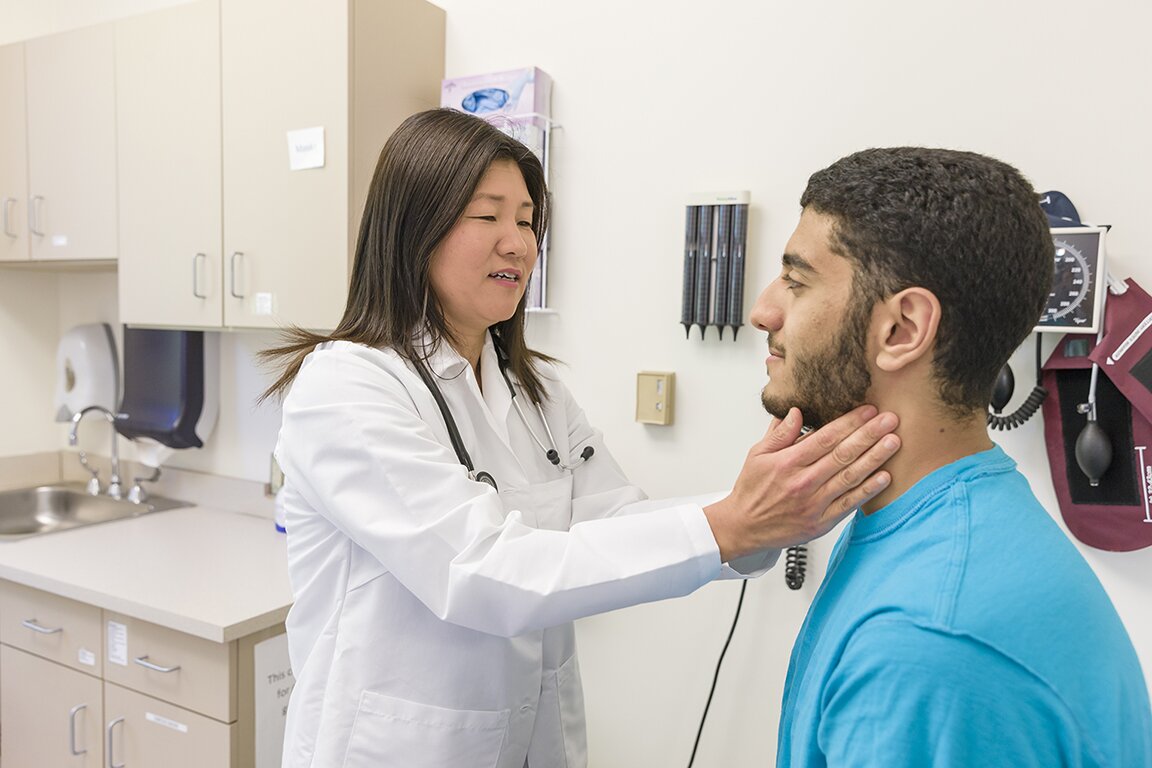
Understanding Modern Clinics: Innovations, Practices, and Patient-Centered Care
Clinics play a critical role in healthcare systems worldwide, bridging the gap between primary care and specialized medical services. A modern clinic is far more than a location for consultations; it is a hub where evidence-based medicine, technology, and patient-centered care converge to improve outcomes. Understanding how clinics function, the innovations shaping them, and the principles guiding patient care provides valuable insight into healthcare delivery in contemporary society.
The Evolution of Clinics
Clinics have evolved significantly over the past century. Originally conceived as small outpatient facilities focusing on minor treatments and consultations, they have transformed into comprehensive centers offering diagnostics, preventive care, specialized treatments, and integrated health services.
From Small Facilities to Comprehensive Centers
Early clinics were often modest in scale, with a handful of physicians attending to local populations. Over time, the integration of medical technology, electronic health records, and specialized departments enabled clinics to handle complex patient needs without requiring hospital admission. Modern clinics may include departments for dermatology, cardiology, endocrinology, physical therapy, laboratory testing, imaging, and even mental health services under one roof.
Impact of Healthcare Policy and Insurance
The growth of clinics is closely tied to healthcare policies and insurance frameworks. In the United States, the expansion of outpatient care and preventive medicine initiatives has encouraged the development of clinics that are accessible, cost-effective, and capable of reducing the burden on hospitals. Policies promoting value-based care incentivize clinics to focus on quality outcomes, patient satisfaction, and efficiency.
Key Components of a Modern Clinic
A well-functioning clinic integrates several essential elements that work together to ensure patient safety, effective treatment, and high-quality care.
Clinical Infrastructure
- Consultation Rooms: Designed for privacy and comfort, enabling thorough medical evaluations.
- Diagnostic Facilities: Equipped with advanced laboratory tools, imaging devices, and point-of-care testing systems.
- Treatment Areas: For minor procedures, wound care, and routine interventions without hospital admission.
- Pharmacy and Medication Management: Onsite pharmacies improve patient adherence and streamline prescription fulfillment.
Technology Integration
Modern clinics rely heavily on technology to optimize workflows and enhance patient care. Key innovations include:
- Electronic Health Records (EHRs): Digital systems that store comprehensive patient information, improving communication between providers and reducing errors.
- Telemedicine Platforms: Enable remote consultations, expanding access to care for patients in rural or underserved areas.
- Automated Scheduling and Notifications: Streamline appointment management and reduce wait times.
- Diagnostic AI Tools: Assist in interpreting imaging, lab results, and predictive risk assessments.
Healthcare Professionals
A clinic’s effectiveness depends on the expertise and coordination of its staff. This typically includes:
- Primary Care Physicians: Provide first-line assessment, preventive care, and chronic disease management.
- Specialists: Offer expertise in targeted areas such as cardiology, dermatology, or orthopedics.
- Nurses and Physician Assistants: Support patient care, administer treatments, and educate patients.
- Administrative and Support Staff: Ensure smooth operations, billing, patient communication, and logistics.
Patient-Centered Care in Clinics
Modern clinics emphasize patient-centered care, which prioritizes the needs, preferences, and overall experience of the patient. This approach has been shown to improve health outcomes, increase satisfaction, and reduce the risk of errors.
Communication and Shared Decision-Making
Effective clinics foster open communication between patients and providers. Shared decision-making involves:
- Discussing treatment options, risks, and benefits.
- Incorporating patient preferences into care plans.
- Ensuring comprehension of instructions, medications, and follow-up requirements.
Personalized Treatment Plans
Clinics increasingly employ individualized approaches based on patient history, genetics, lifestyle, and comorbidities. Personalized care improves adherence, enhances outcomes, and reduces unnecessary interventions.
Continuity of Care
Continuity of care ensures that patients receive consistent management over time. Clinics often maintain long-term relationships with patients, coordinating care with hospitals, specialists, and community resources to manage chronic conditions effectively.
Innovations Shaping Modern Clinics
The rapid advancement of medical technology and healthcare practices continues to redefine what clinics can offer.
Telehealth and Remote Monitoring
Telehealth has transformed patient access, enabling consultations, follow-ups, and chronic disease management without physical visits. Remote monitoring devices track vital signs, glucose levels, and cardiovascular parameters, allowing clinicians to intervene proactively.
Artificial Intelligence and Data Analytics
AI-driven tools in clinics improve diagnostics, risk stratification, and operational efficiency. Examples include predictive models for disease progression, AI-assisted radiology interpretations, and automated lab result analysis. These innovations reduce human error and accelerate decision-making.
Integrated Mental Health Services
Recognizing the link between physical and mental health, modern clinics increasingly incorporate mental health support. Psychologists, counselors, and psychiatrists collaborate with other medical professionals to provide holistic care for conditions such as depression, anxiety, and stress-related illnesses.
Preventive and Wellness Programs
Clinics now focus heavily on preventive care, including screenings, vaccinations, lifestyle counseling, and nutrition guidance. These programs aim to reduce the incidence of chronic diseases, lower healthcare costs, and improve overall community health.
Operational Efficiency in Clinics
Operational excellence is vital for clinics to maintain high-quality care while managing costs.
Workflow Optimization
Efficient patient flow reduces wait times, enhances satisfaction, and maximizes staff productivity. Digital scheduling, triage protocols, and coordinated team communication are central to this process.
Quality Assurance and Compliance
Clinics adhere to strict quality standards, including infection control, patient safety protocols, and regulatory compliance with bodies such as The Joint Commission or local health authorities. Regular audits, performance reviews, and continuous training maintain care standards.
Data Security and Privacy
Handling sensitive medical data requires robust cybersecurity measures. Clinics implement encryption, access controls, and compliance with regulations like HIPAA to protect patient privacy and prevent data breaches.
Challenges Faced by Clinics
Despite technological advancements, clinics encounter ongoing challenges:
- Staff Shortages: High demand for healthcare professionals can strain service delivery.
- Financial Pressures: Operating costs, insurance reimbursements, and investment in technology can create budgetary constraints.
- Patient Engagement: Ensuring compliance with treatment plans, follow-ups, and lifestyle modifications remains a persistent challenge.
- Healthcare Disparities: Clinics must address inequalities in access, affordability, and cultural competence to serve diverse populations effectively.
Future Trends in Clinics
The future of clinics will likely involve increased integration, technology adoption, and patient empowerment. Key trends include:
- Virtual Clinics: Entirely online platforms that provide consultation, diagnostics, and prescription services.
- Personalized Medicine Expansion: Genetic testing and biomarker-based treatments will guide therapy selection and preventive strategies.
- Collaborative Networks: Clinics collaborating with hospitals, research institutions, and community organizations for comprehensive care delivery.
- Sustainable Healthcare Practices: Energy-efficient facilities, waste reduction, and eco-friendly operations will become integral to clinic management.
FAQs About Clinics
Q1: How do modern clinics differ from hospitals?
A1: Clinics focus primarily on outpatient care, preventive services, and specialized treatments without requiring overnight stays. Hospitals handle acute care, surgeries, and emergencies on a larger scale.
Q2: Can clinics manage chronic diseases effectively?
A2: Yes, clinics use coordinated care, regular follow-ups, telehealth, and personalized plans to manage chronic conditions such as diabetes, hypertension, and cardiovascular diseases.
Q3: Are telehealth services safe and reliable?
A3: Telehealth is safe when platforms adhere to privacy regulations and clinicians provide proper guidance. Remote monitoring and virtual consultations enable effective management of many health conditions.
Q4: How do clinics ensure patient privacy?
A4: Clinics implement secure electronic health record systems, encryption, access control, and HIPAA-compliant protocols to protect sensitive information.
Q5: What role do clinics play in preventive healthcare?
A5: Clinics provide screenings, vaccinations, lifestyle counseling, and early detection programs, which reduce disease incidence and healthcare costs over time.
Q6: How can patients choose the right clinic for their needs?
A6: Consider factors such as the clinic’s specialties, staff credentials, technological capabilities, patient reviews, accessibility, and quality of care standards.
Q7: Are clinics cost-effective compared to hospitals?
A7: Clinics often offer more affordable services for routine care and minor procedures, reducing the need for expensive hospital visits while maintaining high-quality outcomes.
Conclusion
Clinics are essential pillars of modern healthcare, combining advanced technology, specialized expertise, and patient-centered approaches to deliver effective, efficient, and accessible care. By focusing on prevention, continuity of care, and innovation, clinics not only treat illnesses but also promote long-term wellness and improved quality of life. Understanding the intricacies of modern clinics highlights their critical role in shaping the future of healthcare, emphasizing efficiency, personalization, and holistic patient well-being.
Related Posts

Tracking down the Right Fertility Clinic

The Medical Clinic – What To Expect From It
